Texas Data Breach Exposes Over 3 Million Driver’s License Records: What Texans Need to Know
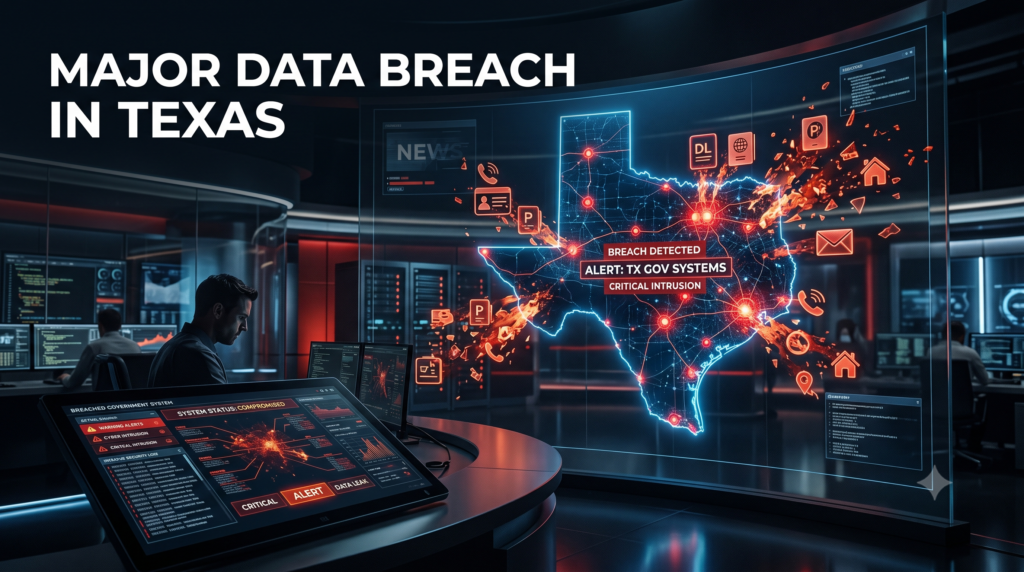
Texas has confirmed a major data breach involving more than 3 million hunting and fishing license customers, after an intrusion was discovered in a license system managed by an outside vendor for the Texas Parks and Wildlife Department.
According to the agency, the breach affected approximately 3,087,721 people.
The good news: TPWD says Social Security numbers, dates of birth, and financial information such as credit card numbers were not impacted.
The bad news: the information that may have been exposed is still serious enough to create real risks for phishing, impersonation scams, and identity-related fraud.
This is the part many people miss about data breaches.
Hackers do not always need your Social Security number to cause damage. Sometimes, a driver’s license number, home address, phone number, and email address are enough to build a convincing scam.
What Information Was Exposed?
The compromised data may include personal information connected to Texas hunting and fishing license customers, including:
- Driver’s license information
- Passport numbers
- Email addresses
- Phone numbers
- Residential addresses
That combination matters because it gives criminals enough personal context to create messages that feel real.
For example, a scammer could send an email pretending to be from a Texas agency, a license renewal service, a shipping company, a bank, or even a law enforcement-related office. Because they may already know your name, address, phone number, and license-related details, the message can look more believable than a generic scam email.
That is why this breach should not be ignored.
What Was Not Exposed?
TPWD says the following information was not impacted:
- Social Security numbers
- Dates of birth
- Credit card information
- Other financial information
That is important, but it does not mean affected customers are completely safe.
Driver’s license information and passport numbers can still be valuable to cybercriminals. They can be used in identity verification attempts, fake account creation, phishing campaigns, and social engineering attacks.
In simple terms, this breach may not give criminals everything — but it may give them enough to start a more targeted attack.
How the Breach Was Discovered
The intrusion was discovered by Texas Cyber Command, which launched an investigation to understand the scope and impact of the unauthorized access.
TPWD says it is working with the external license system vendor to add new safeguards and strengthen monitoring.
That detail matters because this was not described as a direct breach of every TPWD system. The issue involved a third-party license system vendor.
And that brings up a bigger cybersecurity lesson.
Many government agencies and businesses are only as secure as the vendors they depend on.
Why This Breach Matters Beyond Texas
This incident is another reminder that vendor security is no longer a back-office issue.
When a government agency, hospital, school, bank, or small business uses an outside platform to manage customer data, that vendor becomes part of the security chain.
If the vendor is breached, the customer still feels the damage.
For everyday Texans, this means your personal information may be exposed even if you never clicked a suspicious link, reused a password, or made a mistake online.
You may have simply bought a hunting or fishing license.
That is the reality of modern cybersecurity: your data lives in more places than you realize.
What Hackers Could Do With This Information
Even without Social Security numbers or credit cards, the exposed data could be used for:
1. Phishing Emails
Scammers may send emails pretending to be from TPWD, a state agency, a license renewal service, or a credit monitoring company.
Their goal may be to get you to click a fake link, download malware, or enter more sensitive information.
2. Text Message Scams
Because phone numbers may have been exposed, affected customers should watch for suspicious texts claiming there is a problem with their license, identity, payment, delivery, or government account.
3. Impersonation Attempts
A scammer with your address, phone number, email, and driver’s license information may try to impersonate you when contacting companies or support centers.
4. Fake Government Notices
Threat actors may create emails or letters that look official, especially if they reference Texas, TPWD, hunting licenses, fishing licenses, or driver’s license information.
That is where people get trapped — not by obvious scams, but by messages that seem specific and personal.
What TPWD Is Telling Customers To Do
TPWD is advising affected individuals to monitor their financial accounts and credit reports.
Impacted customers are also eligible for one year of free credit monitoring. The agency also recommends considering a credit freeze or fraud alert with the major credit bureaus.
That advice is worth taking seriously.
A credit freeze is one of the strongest free steps you can take because it makes it harder for someone to open new credit in your name.
What You Should Do Now If You May Be Affected
Here are the practical steps Texans should take:
1. Watch for TPWD-related scams
Be cautious of emails, calls, or texts claiming to be about your Texas hunting or fishing license.
Do not click links from unexpected messages. Go directly to the official website instead.
2. Use the free credit monitoring if offered
If you receive an official breach notification, review the instructions carefully and consider enrolling in the free credit monitoring service.
3. Freeze your credit
A credit freeze is free and can be placed with the three major credit bureaus: Equifax, Experian, and TransUnion.
This helps prevent new accounts from being opened in your name.
4. Be careful with phone calls
If someone calls claiming to represent TPWD, a credit bureau, law enforcement, or a state agency, do not give personal information over the phone.
Hang up and contact the agency directly through its official website.
5. Change passwords if you reused information
If your TPWD-related account used the same password as other accounts, change it immediately.
Use a password manager and turn on multi-factor authentication where possible.
The Bigger Lesson: Data Breaches Are Becoming More Personal
This breach is not just about driver’s licenses or hunting and fishing permits.
It is about how much personal information gets collected by systems people do not think about every day.
You may not think of a hunting license database as a major cyber target. But to criminals, any system with millions of personal records has value.
That is why cybersecurity is no longer just a corporate problem. It is now a public safety, consumer protection, and personal finance issue.
Aqyreon Takeaway
The Texas Parks and Wildlife breach shows how dangerous vendor-related data exposure can be.
Even though Social Security numbers and credit card data were reportedly not affected, the exposed information could still be used in targeted scams.
For Texans, the next few weeks and months matter. Be alert for suspicious emails, text messages, phone calls, and fake government notices.
For businesses and government agencies, the lesson is even bigger: vendor security must be treated like internal security. If a third-party system holds sensitive customer data, it needs strong monitoring, access controls, breach response planning, and regular security reviews.
Because when a vendor fails, the public rarely sees the vendor first.
They see the brand, the agency, or the organization they trusted.
And in this case, millions of Texans now have one more reason to pay attention to where their personal data goes.