
Garmin Cirqa vs Fitbit Air: Which Screenless Fitness Tracker Is Worth Your Money?
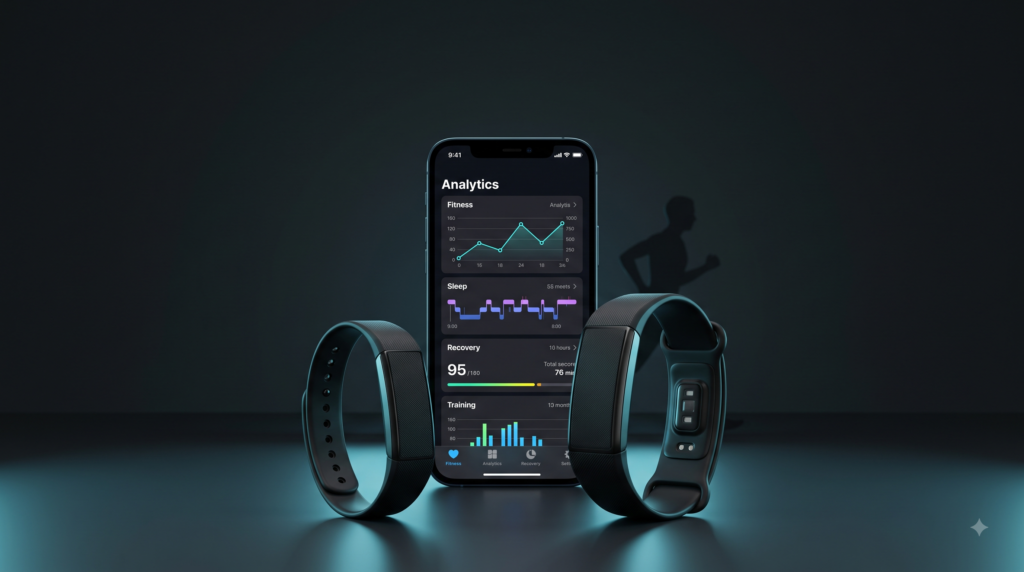
Screenless fitness trackers are becoming a serious alternative to traditional smartwatches. Instead of constantly showing notifications, apps, and workout stats on your wrist, these devices quietly collect health and fitness data in the background.
Two of the newest options are the Garmin Cirqa and Fitbit Air.
Both can track sleep, workouts, steps, heart-related metrics, and recovery. Both also rely on your phone for GPS and offer optional subscription services.
But there is one major difference: Garmin’s Cirqa costs about $200, while Fitbit Air costs around $100.
So what exactly are you getting for the extra $100?
Garmin Cirqa vs Fitbit Air at a Glance
The easiest way to think about these trackers is this:
Fitbit Air is aimed more at everyday health and wellness. Garmin Cirqa is built more for people who want deeper fitness and training data.
That difference becomes clearer when you look at their features.
Price: Fitbit Air Is Much Easier to Try
Price may be the biggest deciding factor.
The Fitbit Air costs about $100, while the Garmin Cirqa costs around $200.
For someone buying their first fitness tracker, Fitbit has the obvious advantage. Spending $100 is much easier to justify if you’re still figuring out whether you actually want to wear a health tracker every day.
Garmin’s higher price starts making more sense for people who already train regularly and want more detailed fitness analytics.
Battery Life: Garmin Lasts Longer
Battery life is one of the strongest reasons to choose a screenless tracker.
The Fitbit Air can reportedly last around seven days between charges.
Garmin stretches that to approximately 10 days.
Both take roughly 90 minutes to fully recharge, although Fitbit offers a useful quick-charge feature that can provide about a day’s worth of battery after only a few minutes of charging.
Seven days is already excellent, but Garmin’s extra three days could matter if you travel frequently or simply don’t want another device constantly needing a charger.
Size and Comfort: Fitbit Air Is Smaller
If you want something you barely notice on your wrist, Fitbit has an advantage.
The Fitbit Air weighs approximately 12 grams with the band, while Garmin Cirqa comes in at roughly 21 grams, depending on band size.
Both are still small compared with most smartwatches.
However, Fitbit’s lighter design could make it more comfortable for overnight use.
That matters because one of the biggest benefits of these devices is sleep tracking. A tracker isn’t particularly useful at measuring sleep if you constantly want to take it off before going to bed.
Subscriptions: Garmin Gives You More Without Paying Monthly
This is where Garmin becomes much more interesting.
Fitbit offers additional features through Google Health Premium, which costs around $10 per month.
The subscription can add features such as:
- Workout programs
- More detailed sleep analysis
- Mindfulness sessions
- Personalized health insights
- AI-powered health coaching
Google is also leaning heavily on Gemini-powered health assistance, meaning users may interact with an AI coach to better understand their fitness and wellness data.
That may appeal to people who want guidance rather than simply seeing numbers.
Garmin takes a different approach.
Its Garmin Connect+ subscription costs around $7 per month, but many of Garmin’s important health and training analytics are already included without requiring the subscription.
Paying extra is mainly useful if you want additional guided features such as personalized workouts or breathwork sessions.
For buyers who dislike recurring subscriptions, Garmin may therefore offer better long-term value.
Garmin Has Something Surprisingly Useful: A Button
This sounds minor, but it could actually make a noticeable difference during workouts.
Garmin Cirqa includes a physical button that allows you to manually begin tracking an exercise.
Fitbit Air relies more heavily on automatic workout detection or starting an activity through the companion app.
Automatic workout recognition is convenient, but it doesn’t always begin recording exactly when your workout starts.
With Garmin, pressing the button lets you tell the tracker:
The workout starts now.
For runners, gym users, cyclists, and people who want accurate workout timing, that small feature could be surprisingly useful.
Fitness Data: Garmin Goes Much Deeper
This is probably the biggest reason someone would pay more for the Cirqa.
Garmin includes several of the company’s familiar training metrics.
Training Status
This looks at how your current workouts are affecting your overall fitness progress.
Body Battery
Garmin estimates how much physical energy you have available based on factors such as activity, recovery, stress, and sleep.
Training Readiness
Instead of simply telling you whether you slept well, Garmin attempts to answer a more practical question:
How hard should you train today?
Fitness Age
This compares aspects of your fitness with what would typically be expected for someone your age.
Together, these measurements give Garmin users a much deeper picture of training, recovery, and performance.
Fitbit Keeps Things Simpler
Fitbit takes a more approachable approach.
One important metric is Cardio Load, which looks at how much cardiovascular strain you’ve accumulated over time.
Fitbit also provides a Daily Readiness Score.
Instead of throwing multiple training metrics at you, the readiness score combines information such as activity, sleep, and recovery into a simpler recommendation for the day.
That approach may actually work better for casual users.
Someone who exercises three times a week may not need detailed training-status dashboards.
They may simply want Fitbit to tell them:
You’re recovered today — go exercise.
Or:
Your body needs rest.
That simplicity is arguably one of Fitbit’s biggest strengths.
Which Tracker Is Better for Beginners?
For someone buying their first wearable, the Fitbit Air may make more sense.
It’s cheaper, lighter, easier to understand, and focuses heavily on overall wellness rather than serious athletic performance.
At around $100, there’s also less financial risk if you eventually decide wearable fitness tracking isn’t something you use consistently.
Fitbit’s emphasis on wellness, sleep, recovery, and AI-powered coaching could also appeal to people who want help developing healthier habits rather than optimizing athletic performance.
Which Tracker Is Better for Athletes?
This is where Garmin becomes much more compelling.
The Cirqa supports dozens of trackable activities and provides significantly deeper information about training progress, recovery, energy, and readiness.
Someone who regularly runs, cycles, lifts weights, trains for races, or follows structured workout plans will probably get more value from Garmin’s data.
The Cirqa isn’t simply trying to measure whether you exercised.
It’s trying to help you understand how that exercise affects your performance over time.
What About Long-Term Cost?
The Cirqa costs more upfront, but subscriptions complicate the comparison.
If a Fitbit user pays approximately $10 per month for premium health features, that’s about $120 per year.
Garmin Connect+ costs approximately $84 annually, and Garmin also includes many important analytics without requiring a subscription.
Over several years, Garmin’s higher upfront hardware cost could become less significant.
That’s an important consideration because fitness trackers aren’t usually products people buy for only a few months.
Aqyreon Verdict
There isn’t one clear winner because Garmin and Fitbit appear to be targeting slightly different users.
Choose the Fitbit Air if you want:
- A cheaper fitness tracker
- A smaller and lighter device
- Simple health and recovery insights
- Sleep and wellness tracking
- AI-powered health coaching
- A good first wearable
Choose the Garmin Cirqa if you want:
- Longer battery life
- More detailed training analytics
- Better workout control
- More fitness metrics without paying monthly
- Advanced recovery and readiness information
- A tracker built around serious exercise
For most beginners, Fitbit Air is probably the better starting point.
But for runners, athletes, gym enthusiasts, and people who genuinely use fitness data to improve their training, Garmin’s extra $100 could be money well spent.
What This Means for Buyers
The bigger story here isn’t simply Garmin versus Fitbit.
Fitness wearables are becoming less about putting another screen on your wrist and more about turning health data into useful recommendations.
Some people want a smartwatch.
Others simply want something quietly measuring their sleep, recovery, workouts, and overall health without distracting them throughout the day.
That’s exactly where products like the Cirqa and Fitbit Air could find their audience.
Bottom line: Fitbit Air offers the better entry price. Garmin Cirqa offers the deeper fitness experience.