
How a Side Hustle Blog Became a 7-Figure Media Brand
How a Side Hustle Blog Became a 7-Figure Media Brand
Most people start a side hustle hoping to make a little extra money.
Very few build one into a 7-figure media company.
That is what makes Harry Campbell’s story so compelling. What began as a practical blog about driving for Uber and Lyft eventually grew into a multi-brand media business with articles, guides, podcasts, YouTube content, newsletters, partnerships, and live events. He started while working as an aerospace engineer at Boeing, drove for rideshare companies on the side, noticed a gap in the market, and turned that gap into a long-term business with seven figures in annual revenue for more than a decade.
This is not just a “quit your job and blog” story.
It is a masterclass in what happens when you combine niche focus, useful content, strong distribution, and patience.
And for anyone building a blog, media brand, or content-driven business today, the bigger lesson is clear:
You do not need to start with a huge team, a complicated product, or a polished brand. You need a real problem, a specific audience, and content people actually trust.
The Opportunity Was Hidden in Plain Sight
Before The Rideshare Guy became a recognized media brand, it was just one driver paying attention.
Harry Campbell was working at Boeing as an aerospace engineer in 2014 when he started driving for Uber and Lyft as a side hustle. At the time, rideshare still felt new, fast-moving, and full of opportunity. But there was one major problem: drivers could not find clear, practical, trustworthy information online. Instead, most of what existed came from rumor-filled forums, outdated advice, or endless arguments in Facebook groups.
That gap mattered.
Whenever a fast-growing industry lacks reliable information, someone who documents the truth clearly can build a real business.
Harry realized drivers needed help understanding how the platforms worked, how earnings changed, what strategies were actually effective, and how to respond to industry shifts. So he started writing based on his own experience. He tested strategies, tracked his earnings, observed changes, and turned those lessons into blog posts drivers could use immediately.
That is where many great media businesses begin: not with grand vision, but with practical usefulness.
The Blog Was the Product Before the Brand Existed
One of the smartest parts of this story is how simple the early version was.
There was no complex startup infrastructure. No massive funding round. No custom software product. Just a WordPress site, consistent publishing, real-world experience, and a focus on search. Harry wrote about what he was learning behind the wheel, listened to what other drivers were discussing, and turned recurring questions into articles people could find through Google.
That model still works.
A lot of creators overcomplicate the beginning. They think they need branding perfection, a team, premium video gear, advanced funnels, or some massive content operation before they can start. But this story proves the opposite. In the beginning, usefulness beats polish.
The early “product” was content.
And that content was built around three things:
- firsthand experience
- recurring audience questions
- search-driven discoverability
That combination is powerful because it creates both trust and traffic.
Trust because the content comes from lived experience.
Traffic because the audience is already searching for answers.
That is the foundation of a durable niche blog.
Why Niching Down Was the Real Growth Hack
A lot of people say “the riches are in the niches,” but few actually commit to it.
Harry did.
Instead of building a generic entrepreneurship blog, a broad tech site, or a lifestyle media brand, he went deep on one very specific audience: rideshare drivers. Later, that expanded into delivery, mobility, autonomy, and urban tech, but the early focus was narrow and useful. That helped him build credibility quickly and made word-of-mouth stronger because the content was tailored to a community with real, recurring pain points.
This is one of the biggest reasons niche media brands outperform generic blogs.
When your audience feels like your content was made for them, they share it faster, trust it more, and come back more often.
That is what happened here.
Drivers shared the articles in forums, Facebook groups, and directly with each other. Search brought in new readers. Useful content built trust. And trust made growth more durable.
If you are building your own blog, this is one of the most important takeaways:
Do not try to be for everyone. Become essential to someone specific first.
The Media Stack Was Simple — But Strategic
Another reason this story stands out is that the stack stayed lean.
The core of the business was a WordPress site where long-form articles and guides lived. SEO played a central role from early on, since drivers were actively Googling solutions and explanations. Email later became a major owned channel through Beehiiv, helping drive repeat traffic and reduce overreliance on search and social. Monetization came from affiliate partnerships, direct partnerships, sponsorships, and ad networks. Analytics and optimization relied on tools like Google Analytics, Search Console, and basic SEO tools.
That stack is important because it highlights something many new creators miss:
You do not need a complicated system.
You need a system that matches your business model.
In this case, the model was clear:
- publish useful search-driven content
- capture audience attention repeatedly
- build direct distribution through email and media channels
- monetize through relevant partnerships
That is not flashy.
But it is effective.
And it scales because each new article, podcast episode, email subscriber, and video strengthens the ecosystem around the niche.
How the Money Actually Worked
Aqyreon-style businesses are not built on traffic alone. They are built on monetizable trust.
That is exactly what this story demonstrates.
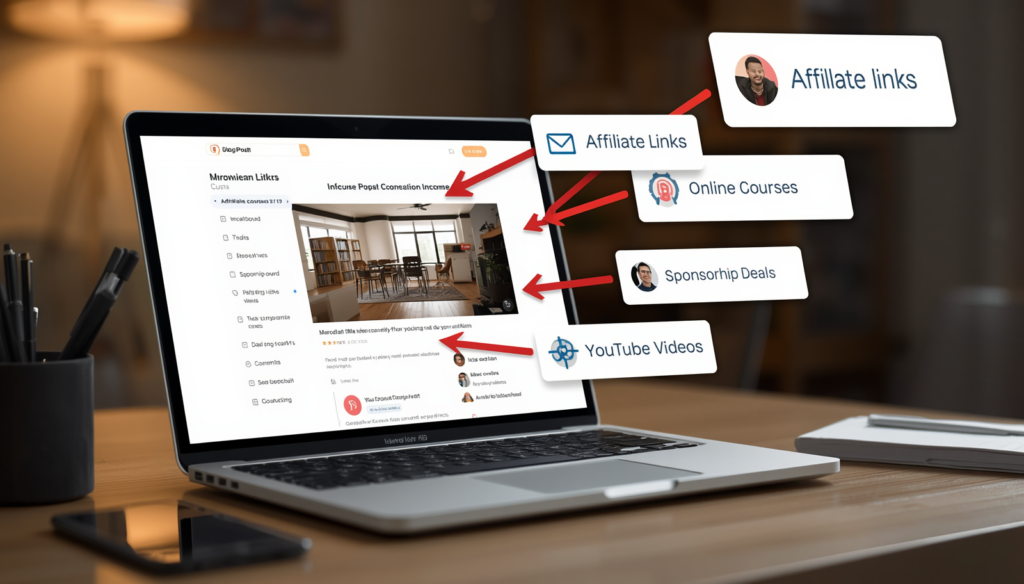
The business began with affiliate partnerships and advertising. That made sense because many companies wanted access to rideshare drivers, whether for insurance, tools, rentals, or financial services. As the audience grew, direct partnerships and sponsorships expanded across the blog, podcast, and other channels. Later, newer properties like The Driverless Digest opened additional sponsorship opportunities within the mobility and autonomous vehicle space, while events like Curbivore added another monetization layer by bringing the ecosystem together in person.
This matters because it shows how strong media businesses evolve.
They do not stay trapped in one revenue stream. They expand from:
- content
- to audience
- to trust
- to monetization layers
- to ecosystem ownership
That is how a blog turns into a media company.
First, people come for answers.
Then, brands pay for access.
Then, the audience deepens.
Then, the creator expands into newsletters, podcasts, video, and events.
Then, the business becomes much bigger than the original blog.
That progression is what separates a side hustle from a brand.
Why Credibility Was the Hardest Part
In the source story, one of the biggest early challenges was credibility. People were skeptical, and the industry changed quickly. Harry had to build trust through consistency, firsthand insight, and transparency around real experiences and earnings. Because Uber and Lyft kept changing policies, incentives, and pay structures, the content had to evolve just as fast. Industry relationships helped him stay current and continue finding new stories and angles.
That lesson applies far beyond rideshare.
Any niche built around money, work, technology, or shifting platforms will demand ongoing credibility. The audience can tell when content is recycled, shallow, or detached from reality.
That is why firsthand experience still matters so much.
You do not need to be the biggest expert in the world. But you do need to be close enough to the audience’s reality that your advice feels grounded.
That is the difference between content that ranks and content that resonates.
And in a world flooded with generic AI summaries and low-effort blog spam, grounded expertise is becoming even more valuable.
The Bigger Lesson for Creators and Bloggers
Harry’s path is not the typical startup story. He did not begin by building software or chasing venture capital. He started by helping a specific audience with useful content, built trust over time, and stayed flexible as the market evolved. That combination, according to the source, was central to his long-term success.
That is why this story matters so much right now.
Many creators are chasing broad categories, trendy niches, or algorithm spikes. But long-term media brands are often built the slower, smarter way:
- solve real questions
- serve a real niche
- create trust through consistency
- own your distribution
- expand only after credibility is established
That is not the fastest route to dopamine.
But it is one of the best routes to durable income.
If you are trying to build an Aqyreon-style content business, this is the blueprint worth studying:
- Start with a real-world niche.
- Turn experience into practical content.
- Publish consistently on a platform you control.
- Use SEO to meet existing demand.
- Build owned channels like email and video.
- Monetize with offers that genuinely fit the audience.
- Expand into deeper formats once trust is established.
That is how you create something bigger than a blog.
The Future of Niche Media Is Still Wide Open
One of the most encouraging parts of this story is that it did not end with a blog.
It expanded into multiple brands, podcasts, newsletters, and events, all within related ecosystems. Harry continues growing media and community around mobility and autonomy through The Rideshare Guy, The Driverless Digest, and events like Curbivore and the Urban Autonomy Summit series.
That is a reminder that niche content businesses still have room to grow in 2026 and beyond.
The opportunity is not gone. It has just changed.
Today, winning creators do not just publish articles. They build audience systems:
- blog
- short-form video
- podcast
- community
- brand partnerships
- sometimes events or paid products
The core principle remains the same: help a specific group in a way that earns trust.
Everything else grows from that.
Final Take
The most powerful part of this story is not the revenue number.
It is the sequence.
An engineer noticed a gap.
A driver documented reality.
A blog answered questions.
Trust created traffic.
Traffic created partnerships.
Partnerships created a business.
And that business became a media brand with seven figures in annual revenue.
That is the Aqyreon lesson here:
You do not need to start big. You need to start useful.
In a crowded internet, the creators who win are not always the loudest. They are often the ones who understand a narrow audience deeply, show up consistently, and build trust long enough for opportunity to compound.
That is how side hustles become brands.
And that is how blogs become businesses.